Making a difference starts by making protective policies
Policymakers need to understand the facts and make the right moves to protect kids and their futures. They hear a lot from marijuana industry lobbyists. They also need to hear from advocates for kids.
Colorado has had to Learn the Hard Way
As the first state to commercialize marijuana, Colorado kids have paid the price as they’re bombarded with marketing. Here are some sobering consequences that make our mission even more important.
- 2016 Colorado ranks first in the nation on monthly usage by 12-17 year olds according to National Surveys on Drug Use and Health data released in December 2016 by the federal Substance Abuse and Mental Health Services Administration.
- Over 1,000 marijuana stores operate in Colorado. That's more than the number of Starbucks and McDonald's combined.
- The financial interests behind this multi-billion dollar industry are more powerful than anyone anticipated, with more than 50 lobbyists advancing policies to increase profits just in Colorado.
Here are the lessons we’ve learned and what you can learn from us.
One Chance to Grow Up 2024-2025 Policy Goals
We’ve prioritized policy goals that are essential to protect kids.
- Educate government officials about the differences between legalization and decriminalization so they know they can stop prosecuting those who possess small amounts of marijuana without opening the floodgates to mass commercialization that threatens kids.
- Cap THC potency.
- Require childproof packaging and labeling, including potency information.
- Strictly limit marketing and prohibit products that appeal to kids.
- Fund evidence-based education and prevention for youth and pregnant/breastfeeding women.
- Require data collection and research on impacts.
The industry lobbying blitz has turned to other states and Congress.
At the U.S. Capitol alone, the industry spent almost $25 million on lobbying in 2020 through 2024.
The stronger our collective voice, the more change we can make. Even among the army of industry lobbyists, our voice stands out.

Who better to give us the data on underage marijuana use than kids themselves.
Surveys show that kids are using marijuana at alarming rates (sometimes daily) and at young and younger ages.
Here’s how you can get involved in policy in your community.


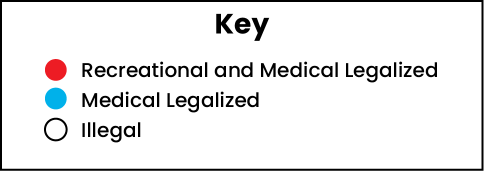
Want to know the policy for your state?
National THC Transparency Bill
A national THC transparency bill should include the following:
Restrictions on packaging and types of products
- Child-resistant packaging
- Restrictions on types/shapes/flavors of non-combustible THC
- Universal THC warning symbol on products and packaging
Consumer-Safety Measures
- Potency caps
- Limit on total THC per package
- List of number of servings per package
- List of directions for use
- Require labeling to disclose all pesticides, chemicals, solvents, and metals used in cultivation and product testing
- Mandatory pre-sale product testing
- Mandatory product recall authority
- Standardize government health and safety disclosures and warnings on labels
- Education provided to consumers with each purchase
Restrictive Advertising
- Restrictions on advertising and marketing that could reach kids
Fees and Penalties for Targeting and Selling to Minors
- National reporting of violations
Public Education
- Fund national public awareness campaign focused on preventing underage use and informing pregnant and breastfeeding women of known harms
Research and Date Monitoring
- Direct CDC to gather data, monitor, assess, and publicly report on health impacts of THC use during childhood and adolescence, including de-identified data on toxicology screens for individuals under 21 who died by suicide